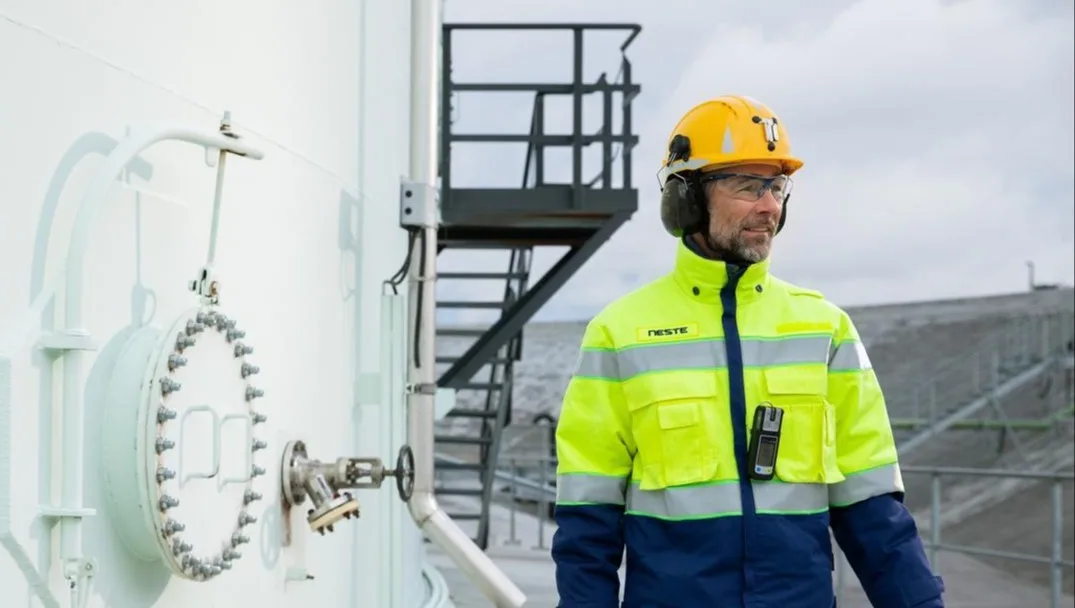
NExBTL renewable fuels can be produced by hydrotreating a flexible mix of various vegetable oils, animal-based waste fats, and by-products of vegetable oil refining. The quality of NExBTL renewable fuel is first class with all the raw materials that the company uses.
Neste Oil has used the following raw materials to produce NExBTL renewable diesel or aviation fuel:
All the renewable raw materials that Neste Oil uses in refining offer the users of NExBTL renewable diesel an opportunity to reduce greenhouse gas emissions by 40–90% compared to fossil diesel.
Neste Oil’s use of renewable raw materials in 2012
Waste and residues used in refining
Certified raw materials used in refining
Read more on the raw materials that Neste Oil uses from the Sustainability Report 2012 which will be published in week 10.
As part of its strategy, Neste Oil is committed to expanding its raw material base. Researching renewable raw materials and their refining technologies represent a significant portion of Neste Oil’s R&D efforts.
Neste Oil requires all its raw materials to be sustainably produced and to reduce greenhouse gas emissions as these raw materials are refined into renewable fuel. Neste Oil procures only those renewable raw materials that fully comply with the stringent sustainability criteria embedded in the EU Renewable Energy Directive. The final deployment decision is also affected by raw material availability and consistency of supply, as well as price.
Mass balance principle is approved under the EU directive on renewable energy as a means of identifying the bio content of
renewable fuels. The availability of bio-based raw materials varies, thus mass balance principle enables Neste Oil to procure and use different bio-based raw materials flexibly, on the basis of availability, price and special requirements from the company’s customers, to produce its NExBTL renewable diesel.